



Key Points:
- Swiss Legal Challenges: Explore the deepfakes being addressed by Switzerland and the existing law.
- Emerging Solutions: Check how current technology, including AI, is used to fight deepfakes.
- Safeguarding Yourself: What individuals and businesses in Switzerland can do to protect themselves against deepfakes.
This blog post delves into how Switzerland attempts to square legal issues towards deepfakes, what solutions are maturing to curb their concerning effects at present, and on how AI development can be adopted for tracking and preventing any misuse of deepfakes. Are you a Swiss citizen, a company owner, or a policymaker? If yes, then know that interested parties will not be able to sit back as the threat of deepfake images and illusions start looming around ahead, and potential solutions are rife for impeding.
What Are Deepfakes?
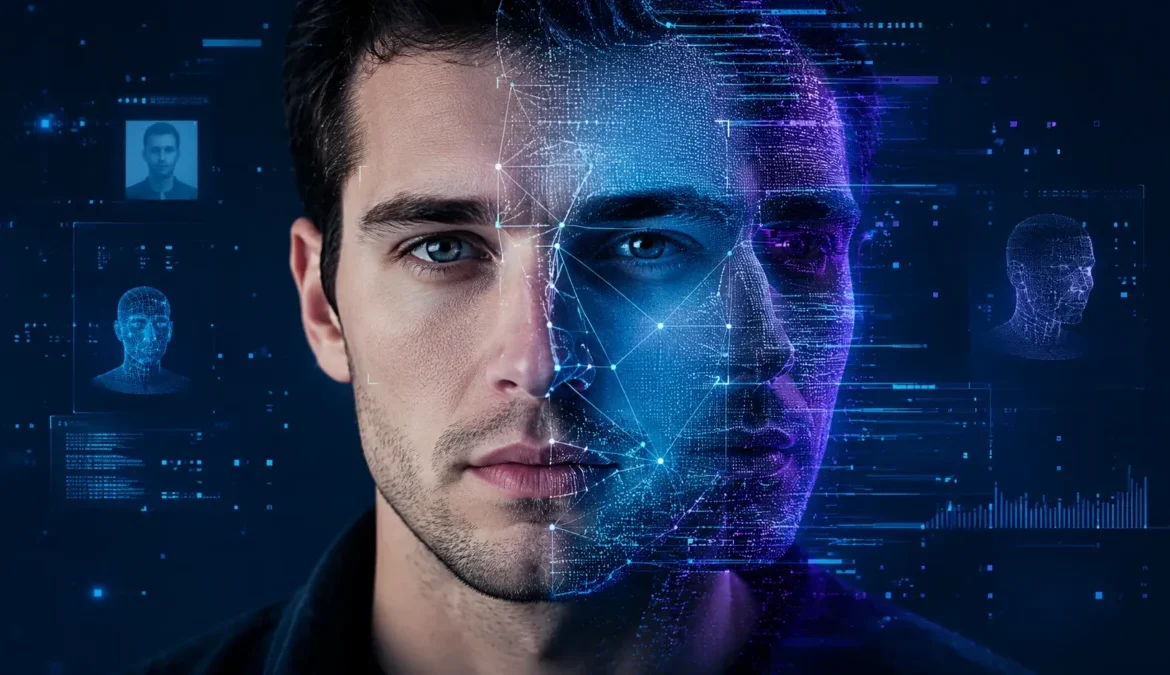
Deepfakes are AI-generated media consisting of videos, images, or auditory signals that have been digitally manipulated to depict something that is not real. The term “deepfake” is a mash-up of “deep learning” (a subcategory of AI) and “fake” (deceptive content). These synthetic media files are created with the help of Generative Adversarial Networks (GANs), a class of machine learning algorithms that generate new content after learning patterns of existing data.
Deepfake technology is a genuine assistance for legitimate purposes such as the creation of visual effects in film or video game development, providing them with greater realism on the screen. But on the other hand, its misuse lends issues on the global front, particularly concerning the spread of misinformation, impersonation, and the destruction of reputations.
Types of Deepfakes
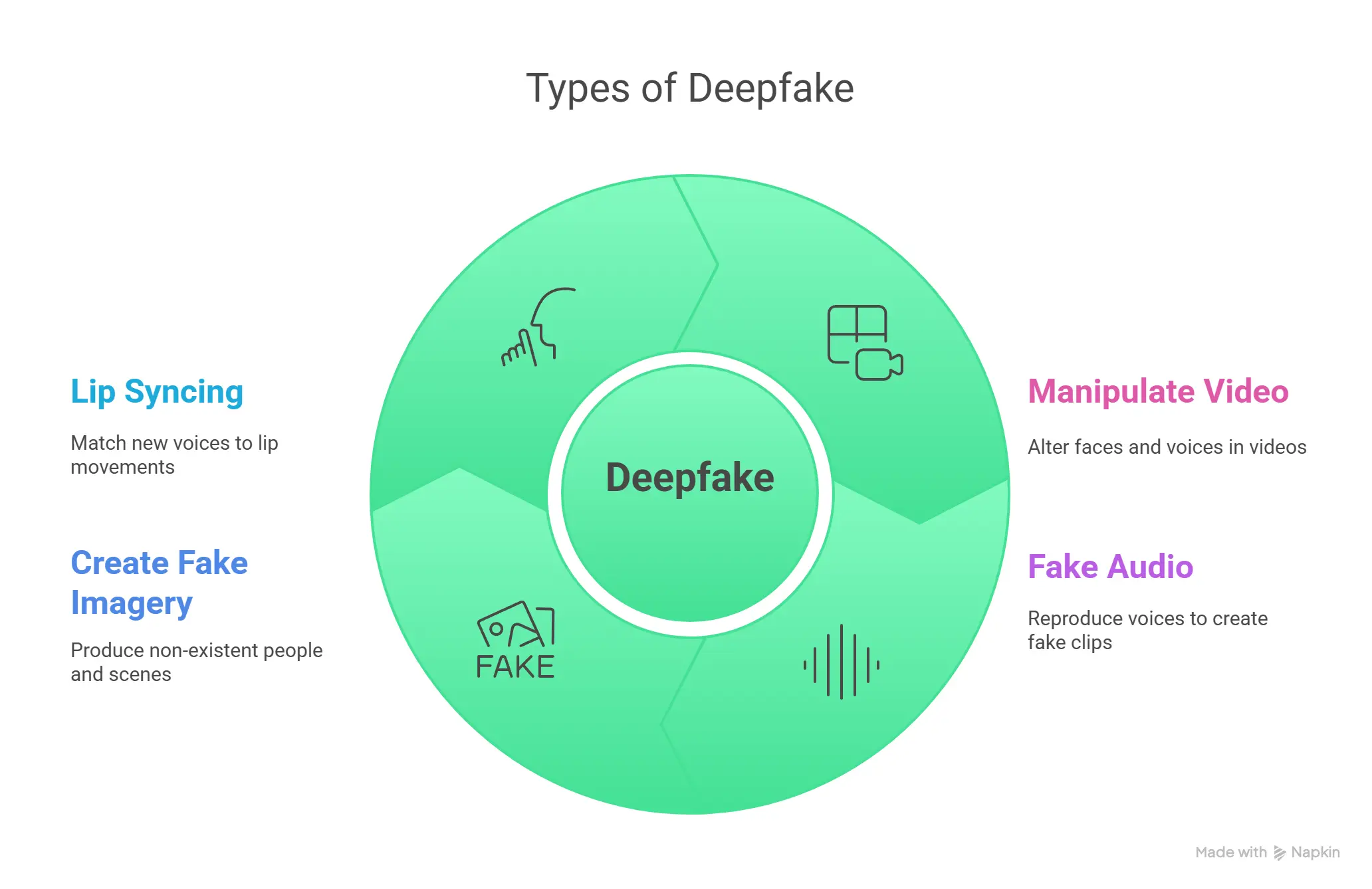
Video Deepfakes: The manipulation or replacement of faces and voices in video content. As an example, videos of politicians are altered to show the individual saying something they never said in the first place, thus generating misinformation.
Audio Deepfakes: The AI reproduces the voice of a person, thereby generating fake audio clips that can be used by criminals.
Image Manipulation: Application of AI to create fake imagery: from face-swapping in photos to creating pictures “of people” who do not exist.
Lip Syncing: AI matches a new voice to the lip movements in an existing video, making it appear as if the person in the video is saying something they never did.
The Legal Landscape of Deepfakes in Switzerland
Switzerland has always been synonymous with stringent and absolute privacy laws that guarantee infringement of which by misuse of personal data is considered as a breach of law. A deepfake is a new frontier of digital manipulation that challenges the current roadmap of law. Though all protection can be offered under the law, such as under the Swiss Federal Act on Data Protection (FADP), there is no identification or mention under the law of AI-created work like a deepfake so far, thus creating a big vacuum in terms of protection.
Being victims of identity theft, fraud, or defamation are matters covered under Swiss Privacy and Defamation Laws for deepfakes, but the legal system is constantly trying to keep pace with the fast evolution of deepfake technology.
Legal Challenges in Switzerland
Defamation and Damage to Reputation:
Digital rendering can gravely tarnish the reputation of an individual or organization by showing them in compromising or false circumstances. There might be protection under Swiss laws for personal dignity, though clear lines of instructions for deepfake matters are generally wiping out.
Jurisdictional Issues:
Since the producers of deepfakes easily share their creations across the border, prosecuting them for creating and spreading malicious content to Swiss courts can prove somewhat difficult.
Identifying Malicious Content:
Where traditional media outlets may have some checks in place, deepfake videos usually fall through these checks, making it harder for legal systems to discern whether content is real or fabricated.
Swiss Legal Cases
A controversial deepfake video was made in 2021 of a speech delivered by a Swiss politician, triggering a great public uproar. However, legal response was insufficient as no laws for defamation were in place for synthetic media use. Hence, it was very much evident that the case necessitated immediate attention toward the enactment of specialized legislation for deepfakes or blackmail alike.
Emerging Solutions to Combat Deepfakes in Switzerland
AI-Powered Detection
With deepfake technology becoming increasingly popular, artificial intelligence comes across as one of its opponents. AI development is far from slow, and Swiss companies are depending on state-of-the-art technologies to detect deepfakes. The AI imaging systems search for possible manipulation in a video; this would include inconsistencies in faces, strange movements, and an uncanny mismatch between audio and lip movements.
Facial Recognition and Deep Learning: What these systems do is detect abnormal blinking, unnatural movements, and any other digital alteration on the video.
Audio Analysis: AI tools can note the irregularities in the voice patterns and identify synthetic voices generated by AI.
Lip Syncing: AI matches a new voice to the lip movements in an existing video, making it appear as if the person in the video is saying something they never did.
Government and Regulatory Action
Switzerland is in the process of tackling some regulatory issues related to deepfakes via legislative reforms. Although no precise statute concerning deepfakes exists, the Swiss legislators are contemplating the introduction of provisions into existing cybercrime and privacy statutes, which would give an explicit legal treatment to AI-generated content.
International Efforts
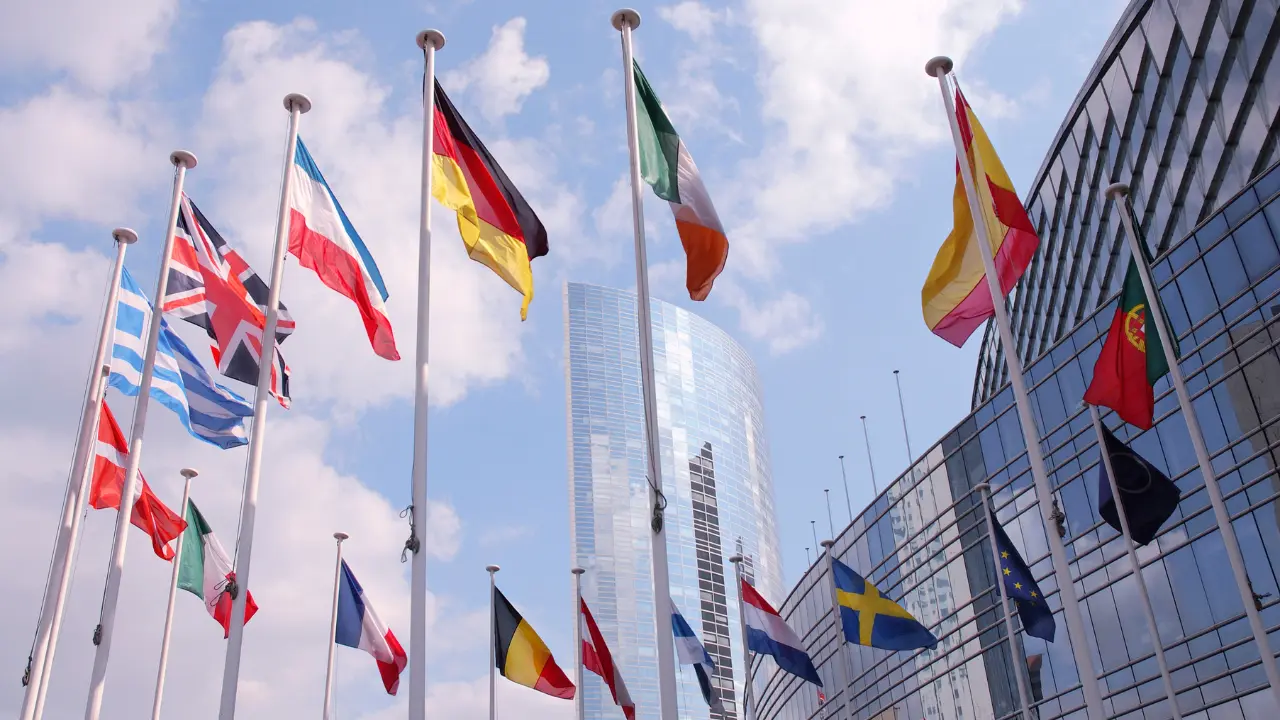
Institutions such as the European Union are seeking broader regulations at the international level regarding deepfake technology. Swiss representatives are actively discussing this subject so that Swiss policies would be parallel with the international fight against synthetic media.
How to Protect Yourself from Deepfakes in Switzerland
For Individuals:
Educate Yourself:
Deepfakes will often give clues to your trained eye, such as unusual facial movements, audio inconsistencies, or images that appear to be of not very good quality.
Use AI Tools:
Use deepfake detection tools that are now available to check the veracity of a piece of media before sharing it any further.
Legal Protection
If you become a victim of a deepfake, you should seek professional legal advice to understand your options under Swiss law.
For Businesses:
Implementation of AI Detection Software:
Detection tools employing AI must be integrated for any company to protect itself from deepfake-related fraud and damage to its reputation.
Conclusion
Deepfake technology represents an increasing threat to privacy, reputation, and security in Switzerland. As the technology grows, so must the legal and technological frameworks to effectively address this new threat. Adoption of AI-based tools for deepfake detection, increased public awareness, and work toward legal amendments will enable Switzerland to successfully avert the risks pertaining to synthetic media.
FAQs
1. What is a deepfake?
The term coined for this manipulated media file, usually a video or audio recording, is deepfake, and it is created using AI so that it looks like a person is doing or saying something they actually did not do or say.
2. Are deepfakes illegal in Switzerland?
Deep faking is not specifically banned, but it can involve mere deception to the extent of law violation, e.g., defamation or fraud, if it is aimed at defaming the reputation of any party or compromising such party’s security.
3. How can I detect a deepfake in Switzerland?
AI-driven tools like DeepTrace or Sensity AI that scrutinize videos and audio for irregularities, such as unnatural facial movements and mismatched voices, should be leveraged.
4. What legal actions can I take if I am a victim of a deepfake in Switzerland?
If an injury is recognized in the image of an individual or their reputation is damaged, the possibility of legal basis exists under defamation laws in Switzerland, or rights for privacy may be sought by the person.
5. Can deepfakes influence elections in Switzerland?
Indeed, deepfake technology, if not regulated, could be instrumental in reversing public opinion, causing confusion or distorting the political image of politicians or voters.
6. How is Switzerland addressing deepfakes legally?
New legislation is being considered in Switzerland aimed at the creation and distribution of harmful deepfake content, especially with respect to defamation and misinformation.
7. How can businesses protect themselves from deepfakes in Switzerland?
Businesses can undergo the set-up of an AI detection system, educate their staff to detect spoof content, and ensure that they authenticate the client-side content present on the blockchain.
8. What is the role of AI in detecting deepfakes in Switzerland?
AI can detect manipulated content by analyzing facial and voice patterns; these are likely to slip by human evaluators.
9. Are deepfakes used for fraud in Switzerland?
Yes, deepfakes are a way to mimic people, well, especially in financial fraud, where they can leverage the same for accessing personal information or tampering with business communications.
10. How can Switzerland’s tech companies help combat deepfakes?
Swiss tech companies are working on AI-based tools that would be able to detect deepfakes and thus enhance the verification processes of content, and prevent their possible misuse by way of areas like media, finance, and politics.