

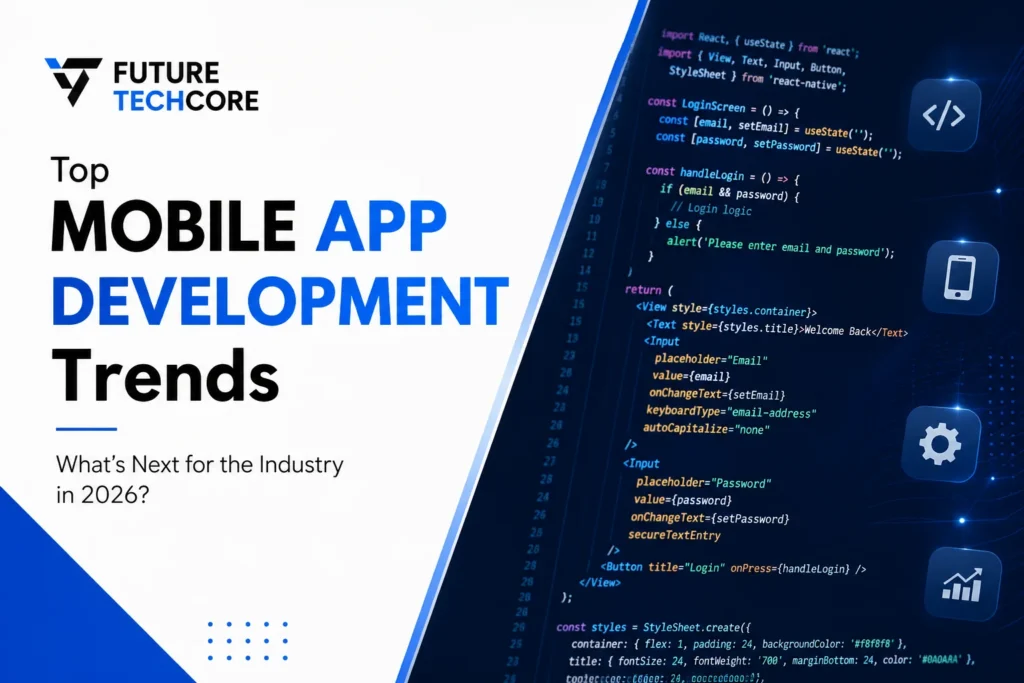
The mobile apps industry generated $935 billion globally in 2025, but only if it leverages the right technologies. After analyzing 200+ successful apps across 15 industries, we’ve identified the 15 most impactful trends developers and businesses need to adopt. Whether you’re an established enterprise building fintech apps in Singapore or a startup looking for healthcare solutions in Canada, these strategies will define winners and losers.
Keeping up with the latest trends and technologies is crucial for everyone. Whether you’re a business owner or an app developer, staying updated helps you meet user expectations and enhance satisfaction, ultimately driving more leads and business growth. Let’s discuss these latest trends.
Get a free custom app development consultation.
1. AI-Driven Mobile Applications
2. 5G Enables Real-Time, Feature-Rich Experiences

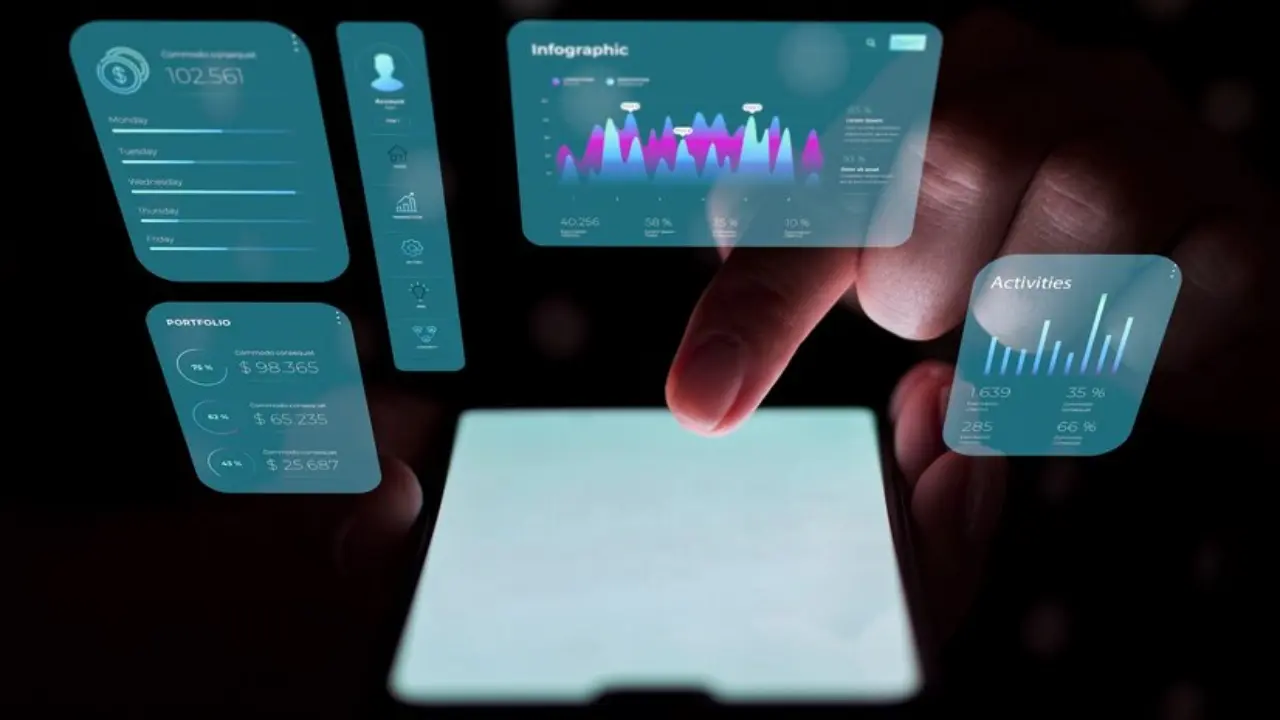
The global rollout of 5G technology has revolutionized how apps are built and consumed. With 10x lower latency and up to 100x faster speeds, 5G powers real-time features like AR navigation, live multiplayer gaming, and seamless video streaming.
More importantly, 5G supports simultaneous connections, making it essential for apps connected to IoT devices or managing smart city functions.
3. Wearable App Development Expands Beyond Fitness
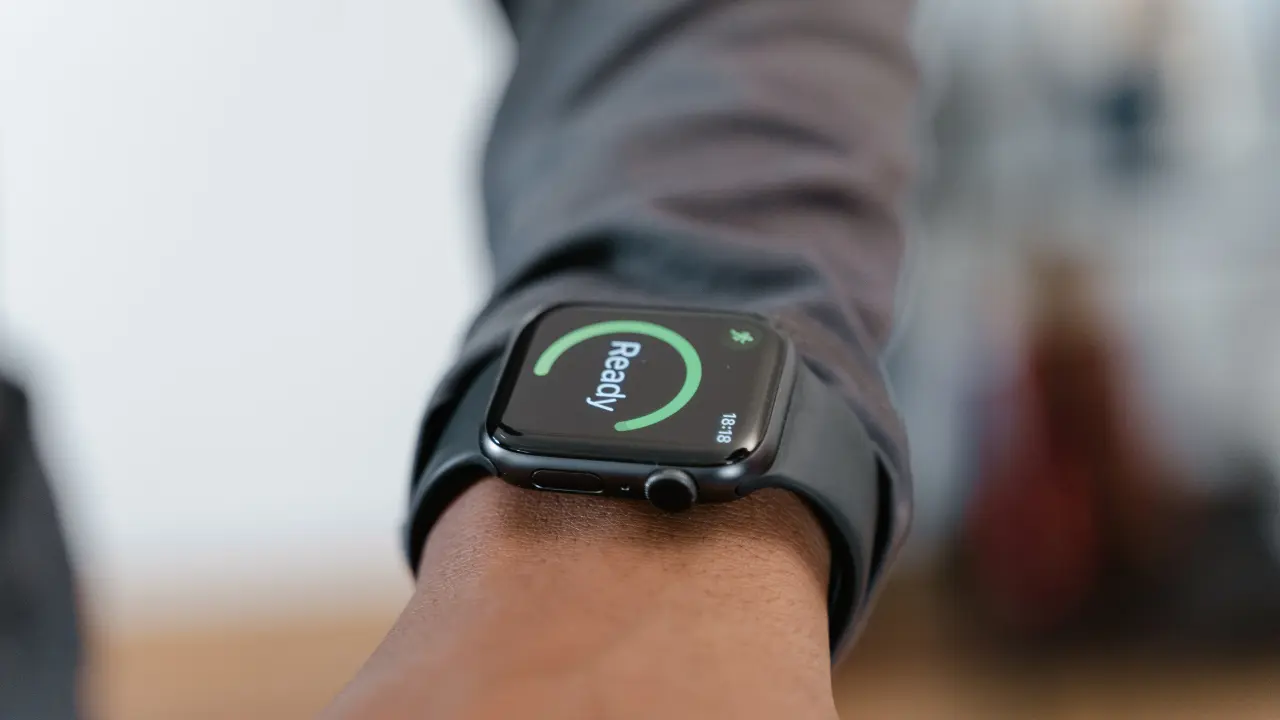
Apps for smart rings, AR glasses, and even smart clothing will become more mainstream. Expect features like real-time ECG, gesture-based controls, and standalone smartwatch apps to dominate.
4. IoT-Powered Apps for Real-World Connectivity
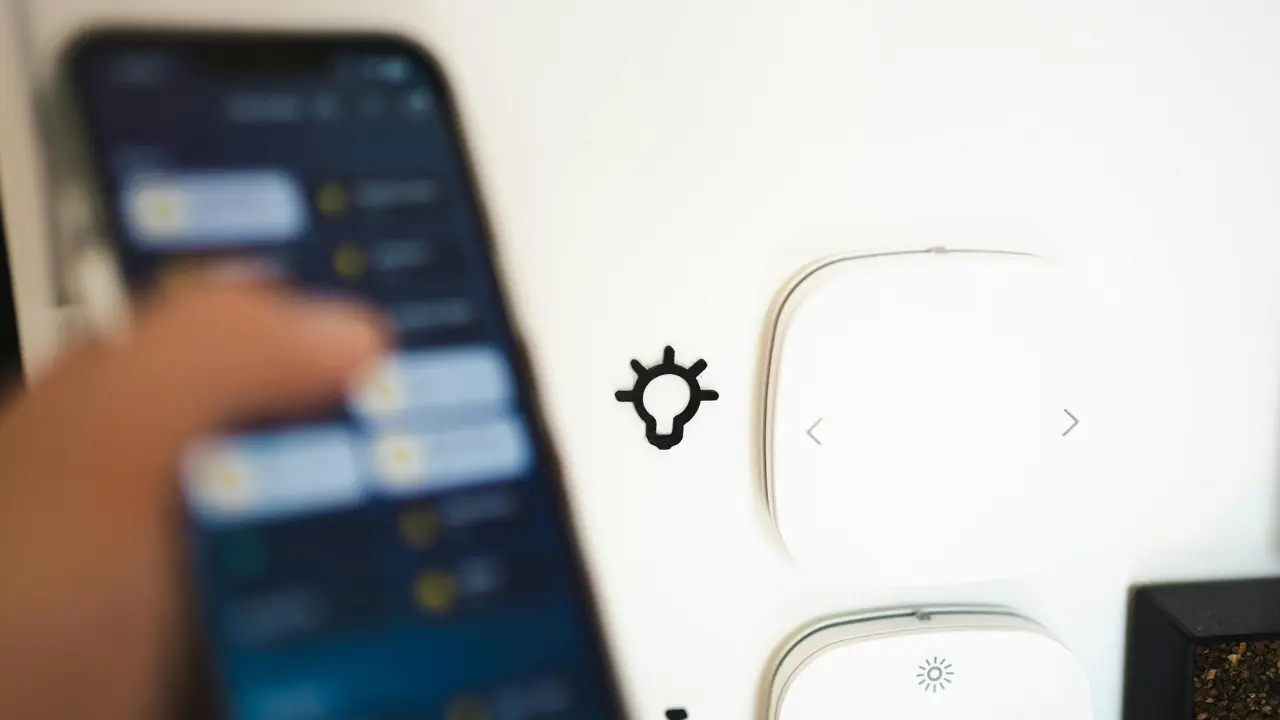
From smart homes to connected vehicles, IoT app integration is redefining automation. In 2026, mobile apps don’t just run software; they manage physical environments.
Use cases include:
- Remote control of household devices.
- Inventory tracking for warehouses.
- Precision agriculture via sensor data.
- Smart city transport coordination.
5. On-Demand Apps Enter New Industries
6. AR and VR Get Practical (and Profitable)

- Virtual try-ons in retail (makeup, glasses, clothing).
- Furniture visualization (like IKEA’s app).
- AR learning modules in education and industrial training.
- AR-assisted indoor navigation in large venues or airports.
Virtual Reality, on the other hand, is booming in remote collaboration, mental health therapy, and immersive fitness apps.
Building for North America? Our US team specializes in FDA-compliant health apps.
7. Mobile Commerce & Wallet Integration Go Mainstream

8. Low-Code/No-Code Accelerates App Launches
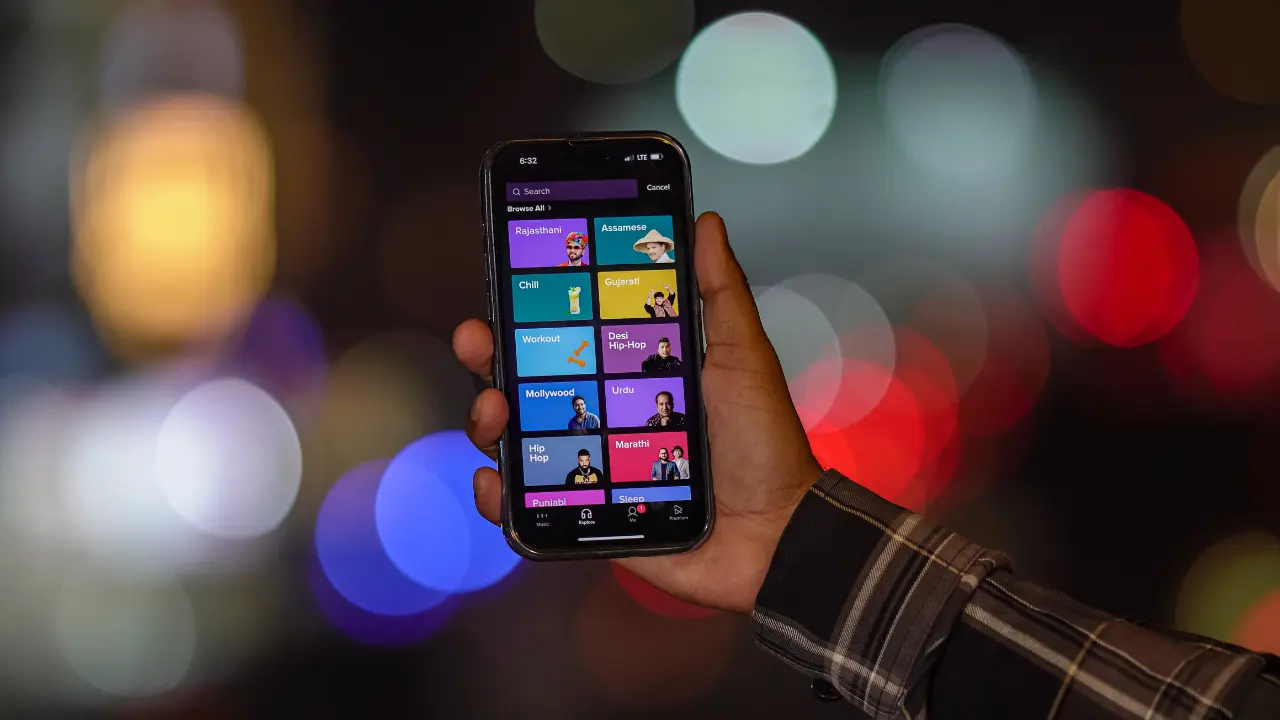
Platforms like Adalo, Glide, and Adapty’s low-code monetization toolkit make it possible to build MVPs, run A/B tests, and ship new features in hours.
9. Alternative & Touchless Interfaces Are Rising
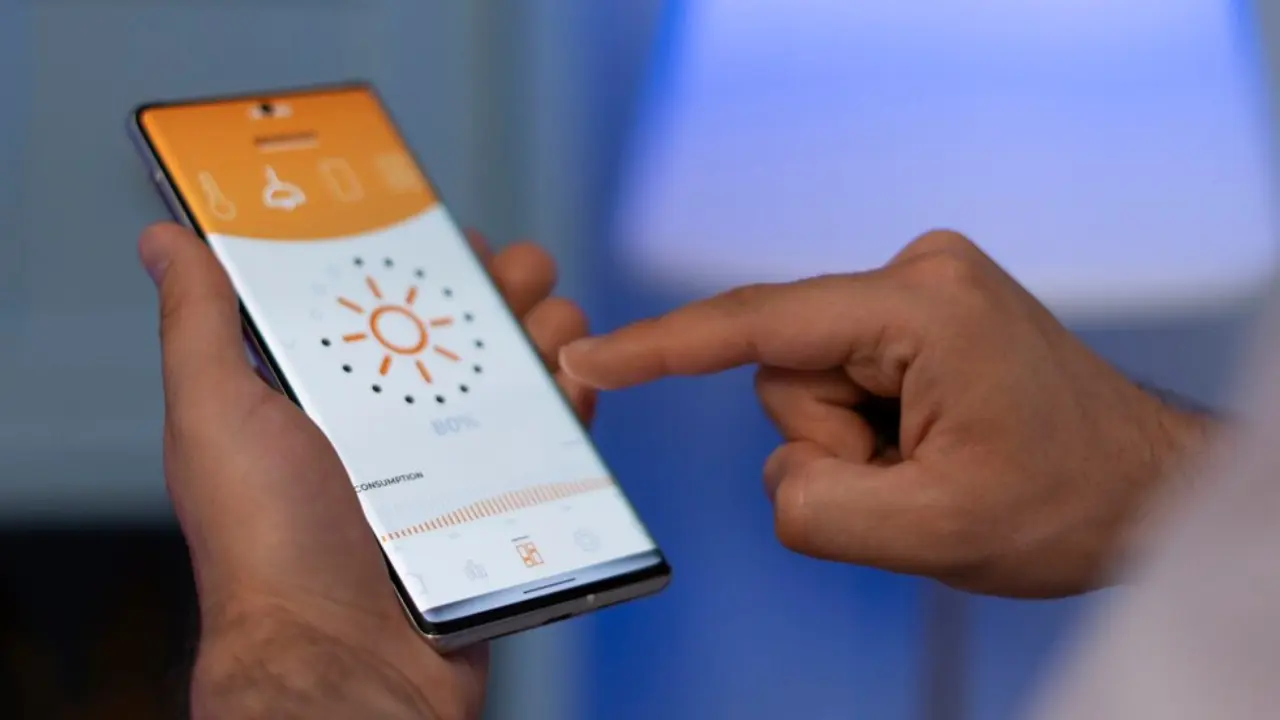
In an accessibility-first world, touchless UIs, like voice control, gesture navigation, and even brain-computer interfaces, are enhancing digital inclusion.
In 2026, expect:
- Voice-first design in smart home apps.
- Voice-to-code solutions for disabled developers.
This evolution is also driving innovation in multimodal UX, where users interact through voice, touch, and visuals simultaneously.
10. Subscription Models Dominate Monetization
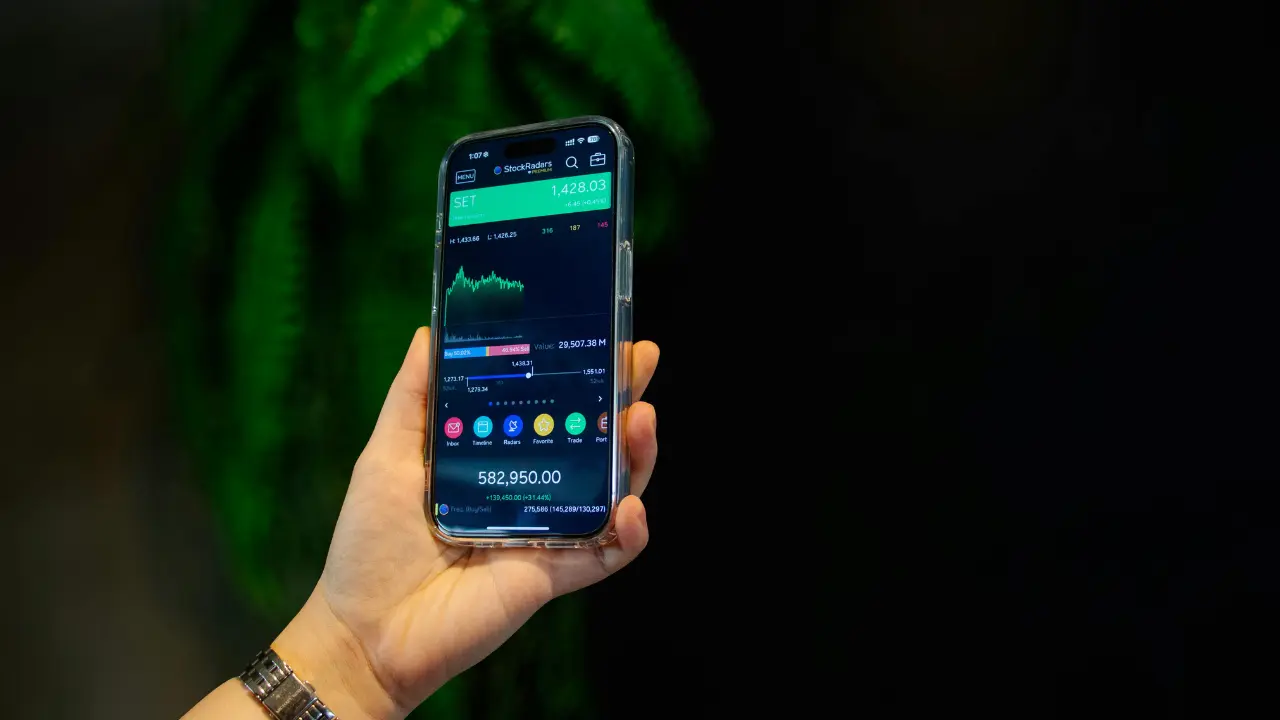
One-time app purchases are out. The subscription app model is now the most sustainable way to monetize mobile apps.
Why? Because it:
- Creates predictable revenue.
- Enhances retention via exclusive features.
- Supports constant improvements and updates.
Apps like Duolingo, Calm, and Netflix have set the benchmark. In 2026, even utility apps are following suit.
11. Gamification Enhances Engagement and Retention

Expect to see more:
- Achievement badges.
- Progress bars.
- Loyalty rewards.
- Interactive storytelling.
Whether you’re building a finance tracker or meditation app, gamification drives behavioral change, and ROI.
12. Blockchain for Secure and Transparent Apps
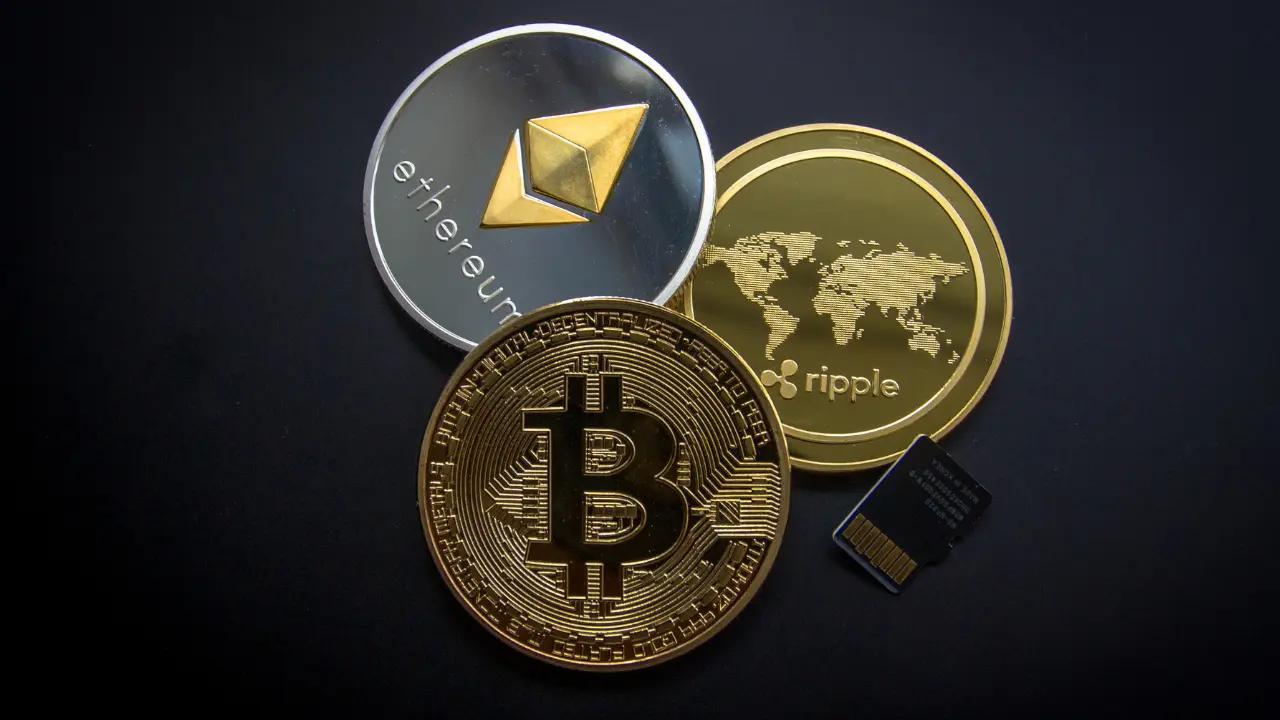
It provides:
- Immutable ledgers for security.
- Smart contracts for automation.
- Decentralized databases for transparency.
Developers in 2026 will utilize blockchain applications to reduce fraud, enhance trust, and facilitate ownership (e.g., NFTs in games or digital product resale rights).
13. User-Generated Content Powers Growth

From TikTok to Airbnb reviews, user-generated content (UGC) is essential for both engagement and trust.
New apps in 2026 will be built around UGC frameworks, enabling:
- Video-first content.
- Social sharing features.
- Community-driven content feeds.
- In-app editing and remixing.
UGC also boosts search visibility, as platforms like Google Discover, YouTube, and even Instagram favor apps with active user ecosystems.
14. Predictive Analytics for Smarter UX

Predictive analytics is being used in 2026 to adapt app experiences in real time. Based on behavior, apps will auto-personalize interfaces, suggest actions, and detect issues before they arise.
Use cases:
- Netflix-style content recommendations.
- Health risk alerts in wearable apps.
- Dynamic pricing in commerce apps.
This is AI meets big data, empowering apps to learn and adapt without user input.
15. Foldable Device Optimization Is a Must
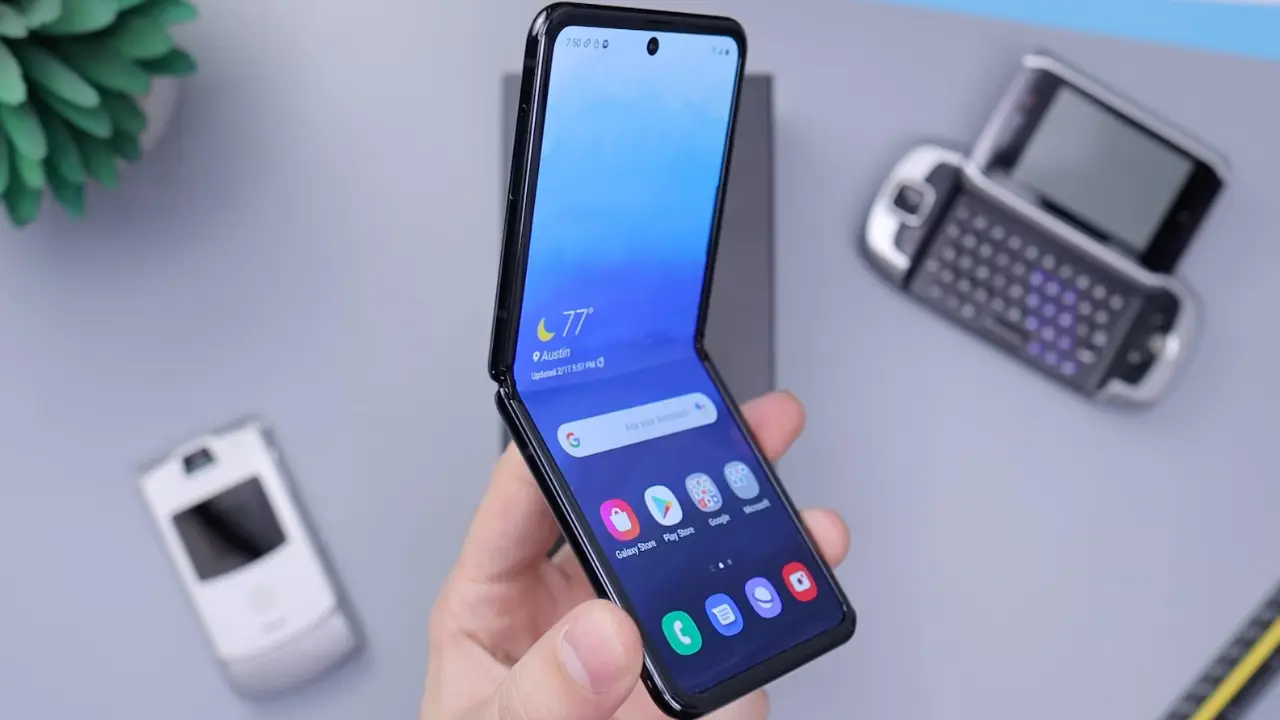
With the rise of foldable smartphones like the Galaxy Z Fold and Surface Duo, developers must now build for flexible form factors. That includes:
- Responsive layouts that adapt to folded/unfolded states.
- Split-screen features.
- Drag-and-drop workflows between panels.
Designing for foldables is no longer a novelty, it’s a competitive necessity for premium Android users.
Innovating Healthcare in Milan?
Future-proof your medical practice or health-tech startup. We combine the latest 2026 app trends with the strict security standards required for Milan’s healthcare industry.
Final Thoughts
In 2026, users don’t just want faster apps, they want smarter, more intuitive, and context-aware solutions that improve daily life.
FAQs
What are the top mobile app development trends in 2026?
AI apps, 5G integration, wearable tech, IoT, AR/VR, and low-code platforms are leading mobile app trends in 2026.
Which industries benefit most from mobile app trends in 2026?
Healthcare, fintech, e-commerce, education, and logistics gain the most from trends like AI, blockchain, and predictive analytics.
What is the most in-demand feature in mobile apps?
AI-powered personalization is the most in-demand feature in apps today.
How is ChatGPT impacting app development?
ChatGPT accelerates app development by powering chatbots, content, code, and smart features.
Are no-code platforms reliable for mobile apps?
Yes, no-code platforms are ideal for launching MVPs, internal tools, and user apps faster and at lower cost.
Will foldable devices affect mobile app design in 2026?
Yes, foldable phones require responsive UI/UX for seamless, multi-screen user experiences.
Which apps are growing fastest in 2026?
AI chatbots, mental wellness apps, fitness trackers, and e-learning apps are seeing the fastest growth.