

What is AI for Hospitality?
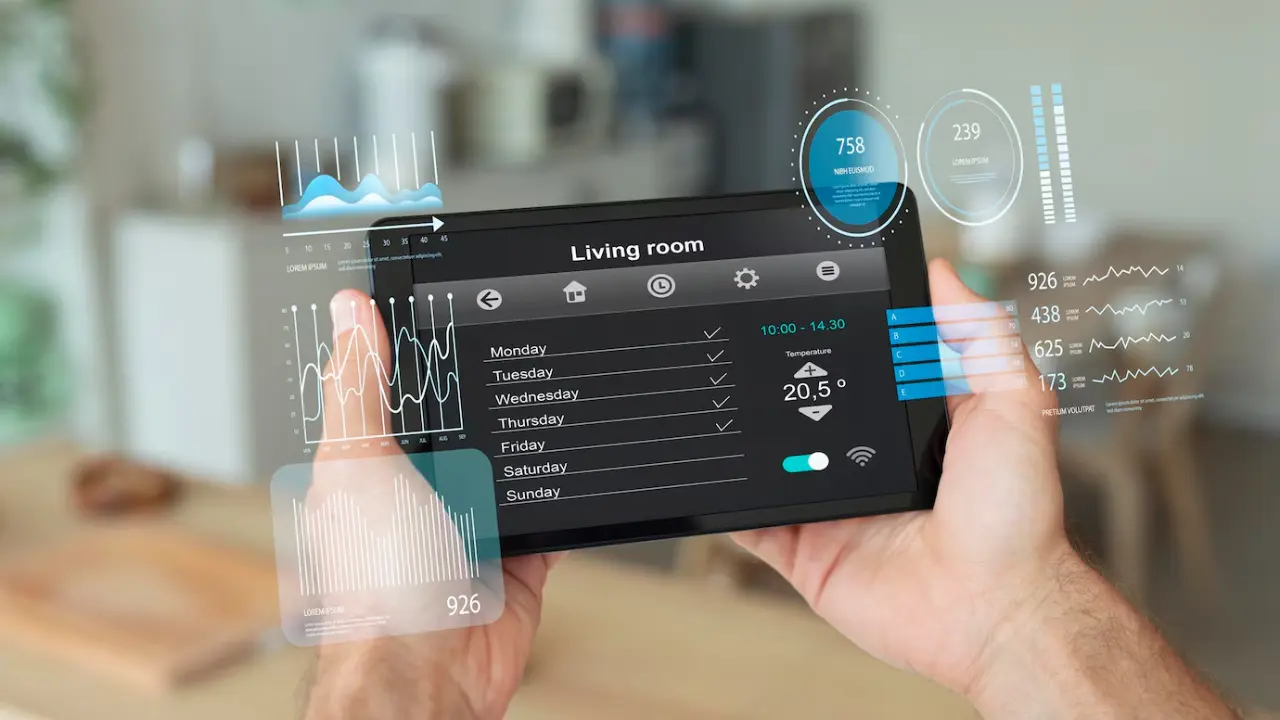
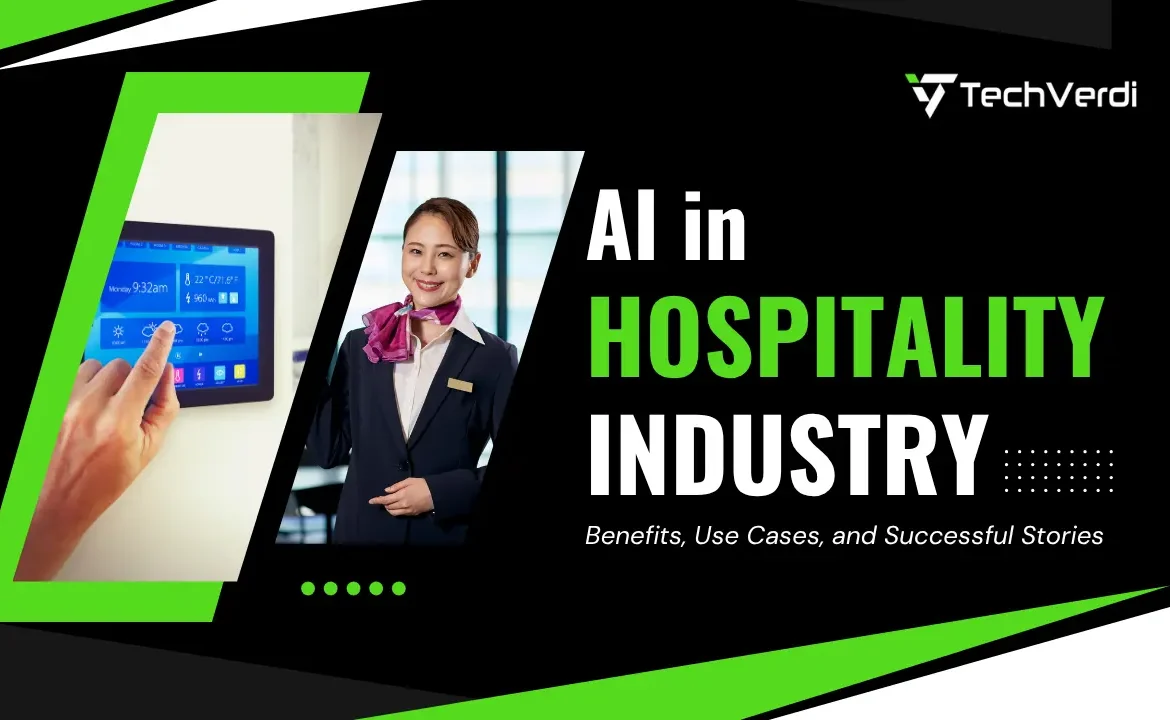
Hotel AI customer service case studies combine machine learning, robotics, and natural language processing to streamline services and predict customer needs, ensuring consistent service quality and faster response times. These hospitality AI systems operate 24/7, allowing for scalable and uninterrupted service delivery.
The Evolution of AI in Hospitality
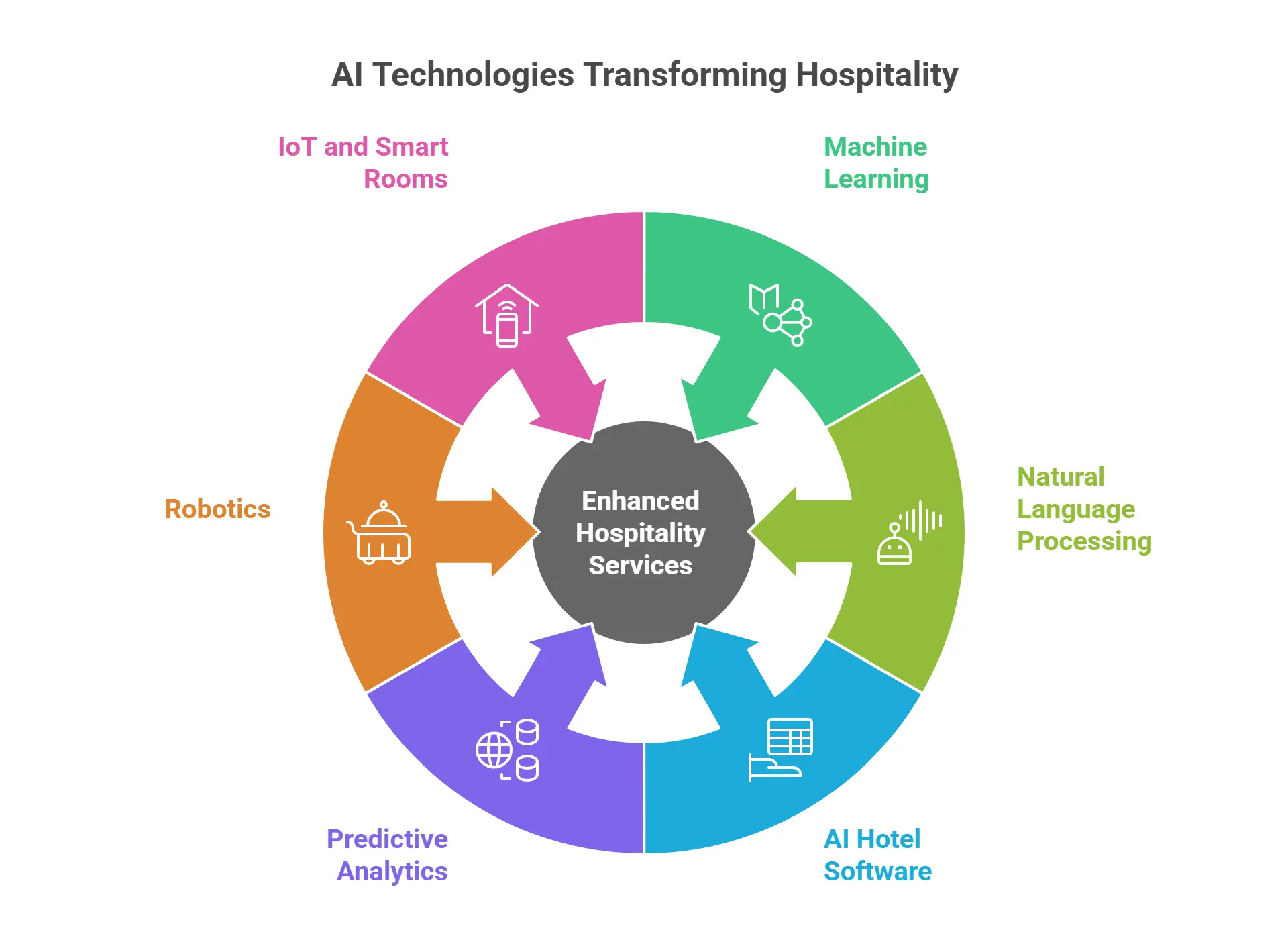
AI Technologies Impacting the Hospitality Industry
From front-desk automation to personalized guest experiences, these cutting-edge AI technologies are redefining how the hospitality industry operates and engages with customers.
Machine Learning (ML):
Essential for recognizing patterns in guest behavior and dynamically adjusting pricing, availability, and services.
Natural Language Processing (NLP):
AI Hotel Software & Chatbots:
Streamlines booking, check-in, guest inquiries, and upselling opportunities.
Predictive Analytics:
Helps forecast demand, enabling better resource allocation and pricing.
Robotics in Hospitality Industry:
Used for tasks like luggage delivery, room service, and cleaning.
IoT and Smart Rooms:
AI-enabled guest experiences with environmental controls for comfort and energy efficiency.
Key Benefits of AI in the Hospitality Industry
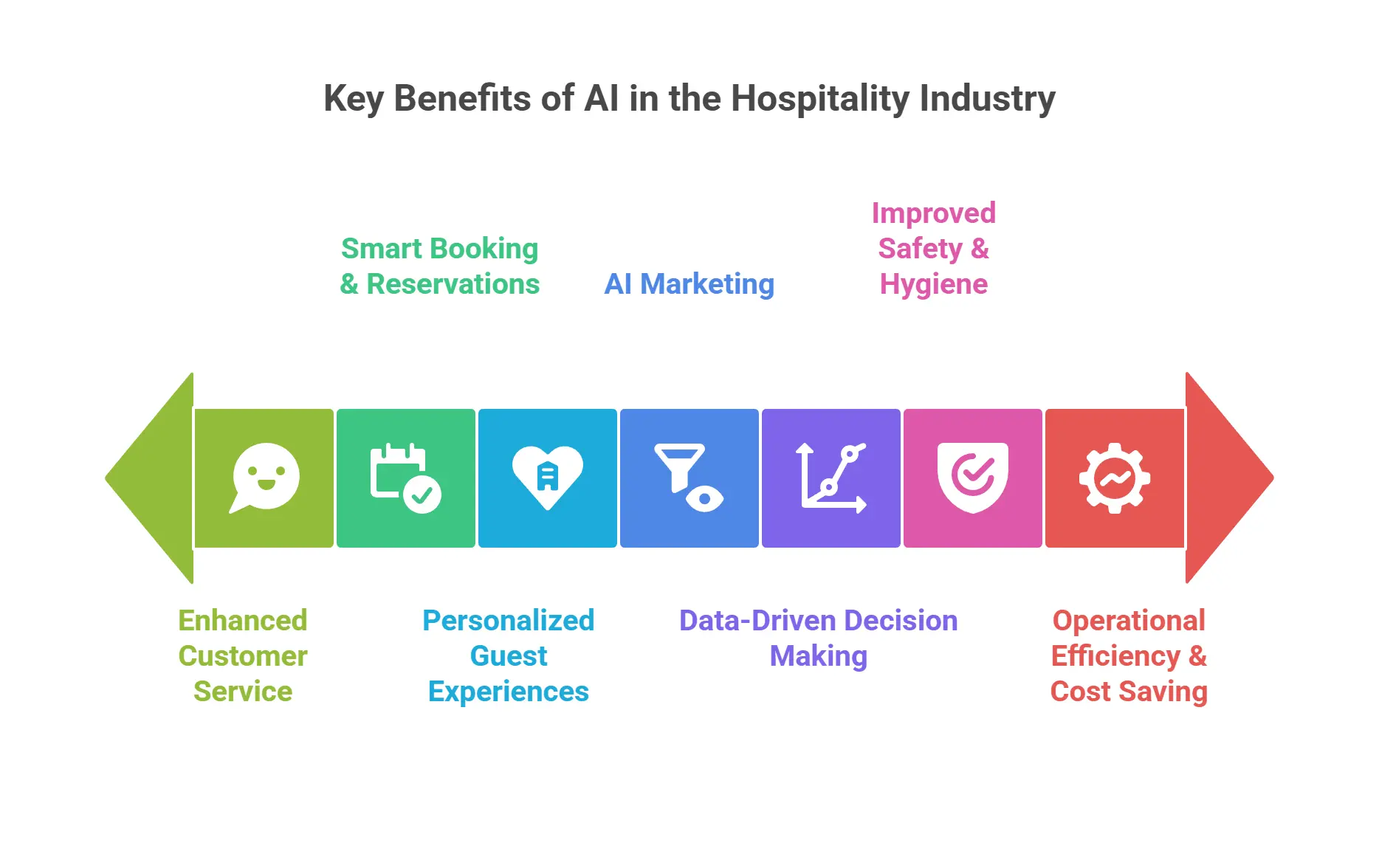
AI is transforming hospitality by enhancing guest satisfaction, streamlining operations, and driving smarter, data-informed decision-making across all service areas.
1. Enhanced Customer Service
- Case in Point: Hilton’s Connie, an AI concierge robot, handles guest inquiries efficiently and improves brand engagement.
2. Smart Booking & Reservations
- Predictive tools improve overbooking management and guest satisfaction.
3. Personalized Guest Experiences
- From AI-powered smart room adjustments to personalized offers and loyalty rewards, AI tools for hospitality drive personalization at scale.
4. Operational Efficiency & Cost Savings
- Hospitality AI solutions automate routine tasks, from inventory tracking to staff scheduling, lowering labor and maintenance costs.
- Predictive maintenance helps avoid costly equipment failures.
5. AI in Hospitality Marketing
- AI marketing tools segment audiences and deliver hyper-personalized messages at the right time.
- Case Example: Booking.com’s AI engine recommends stays based on user history, increasing conversions.
6. Data-Driven Decision Making
7. Improved Safety & Hygiene
- Contactless AI hotel software supports mobile check-ins, room access, and service requests especially critical post-COVID.
Real-World AI Case Studies in the Hotel Industry
Leading hotel brands are leveraging AI technologies to deliver exceptional service, optimize operations, and create memorable, personalized guest experiences.
Hilton Hotels: Connie the AI Concierge
Powered by IBM Watson, Connie assists guests with directions, amenities, and attractions, reducing front-desk load.
Marriott International: RENAI Concierge AI
Offers personalized recommendations via WhatsApp and text, part of Marriott’s $1.2B AI tech investment.
Accor Hotels: AI for Room Allocation
Uses AI hotel software to automate check-ins and assign rooms based on guest history and loyalty preferences.
The Cosmopolitan of Las Vegas: AI for Personalization
Uses guest data to recommend activities and restaurants, increasing repeat visits.
IHG (InterContinental Hotels Group): Predictive Pricing
Four Seasons: AI Hotel Chatbot
Prioritize Privacy?
Platforms like Signal and Element prove there’s demand for secure communication.
Launch your own end-to-end encrypted platform now.
Use Cases of AI in the Hospitality Industry
From front-desk automation to personalized marketing, AI is being applied across the hospitality sector to improve efficiency, guest satisfaction, and revenue generation.
AI Customer Service in Hotels
AI Hotel Booking Systems
Analyze demand and pricing trends for better booking experiences and increased direct bookings.
AI in Smart Rooms & Guest Experience
Smart thermostats, lighting, and entertainment systems adjust automatically to guest behavior.
Personalized Marketing Campaigns
AI hospitality marketing tools target offers based on browsing and booking history.
AI in Food & Beverage
Predicts demand, minimizes waste, and enhances menus based on dietary trends.
Predictive Maintenance
Sensors monitor appliances and infrastructure to predict issues before failure occurs.
Quick Overview of AI Use Cases in Hospitality
| Use Case | Description | Examples | Benefits |
|---|---|---|---|
| AI in Hotel Customer Service | AI chatbots provide 24/7 multilingual support | Hilton’s Connie, Four Seasons Chatbot | Faster response, reduced staff load |
| AI Hotel Booking Systems | Optimizes pricing and availability using demand forecasting | IHG’s predictive pricing system | Increased revenue, better planning |
| Smart Rooms & IoT Integration | Adjusts lighting, temperature, and entertainment based on guest behavior | Marriott IoT guestroom | Improved comfort, energy efficiency |
| AI in Personalized Marketing | Custom promotions based on guest data and behavior | Booking.com’s recommendation engine | Higher conversion, loyalty growth |
| AI in Food & Beverage | Forecasts demand and streamlines inventory | IBM Watson in menu personalization | Reduced waste, cost savings |
| Predictive Maintenance | Detects equipment failure before it happens | Hyatt’s maintenance sensors | Less downtime, enhanced reliability |
Which Option Best Suits You?
Challenges of AI in the Hotel Industry
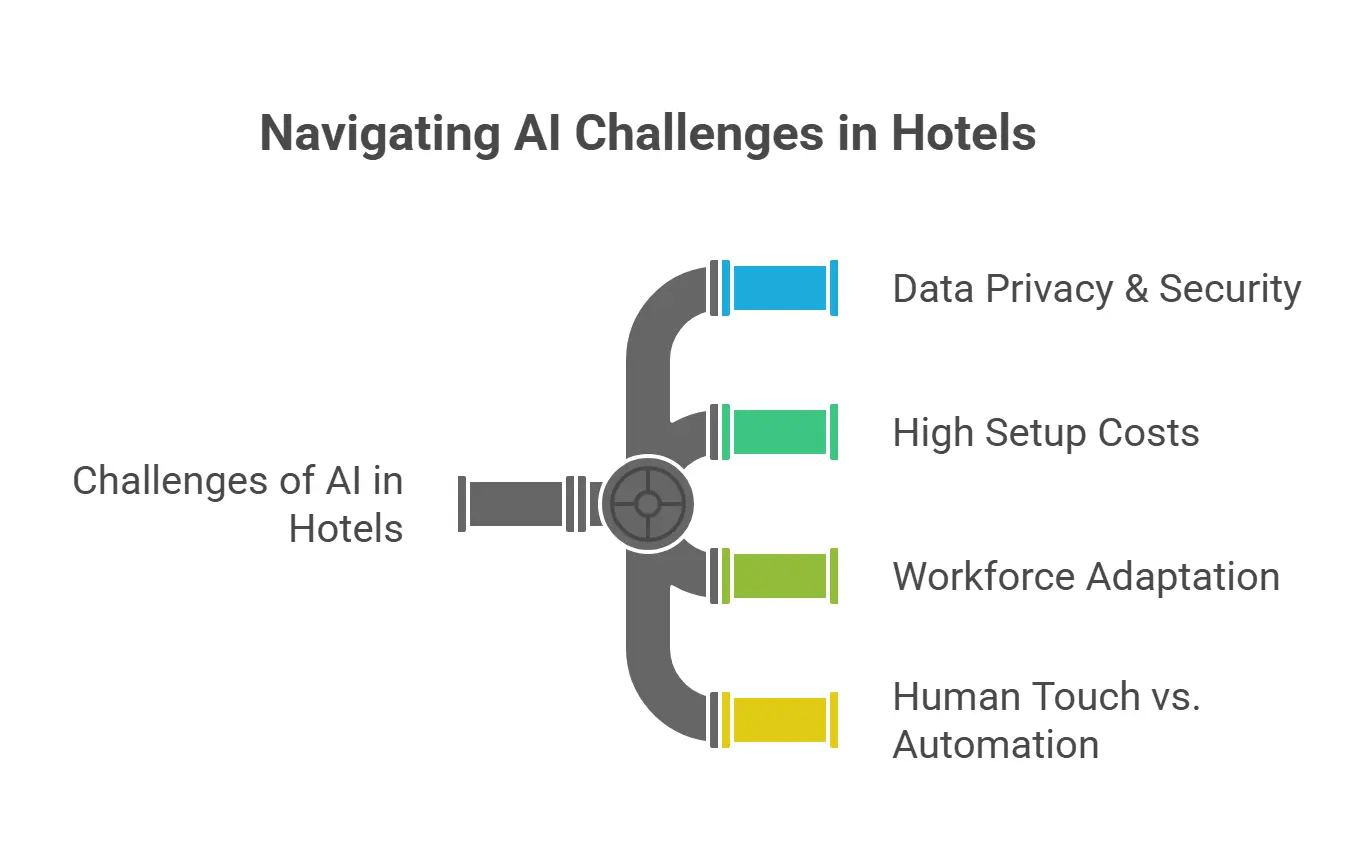
Despite its transformative benefits, adopting AI in hospitality comes with challenges like high setup costs, data privacy concerns, and the need to maintain a human touch. The hotel AI customer service case studies contain these essential elements:
1. Data Privacy & Security
AI systems must comply with GDPR, CCPA, and ensure encrypted storage of guest data.
2. High Setup Costs
3. Workforce Adaptation
Staff retraining and resistance to automation are major barriers to successful AI rollout.
4. Human Touch vs. Automation
Maintaining personalized, human interactions is essential to preserve service quality.
Need Implementation Support?
Wrapping Up
Artificial intelligence in hospitality is no longer futuristic, it’s foundational. From AI in customer service to AI hotel booking systems and predictive analytics, businesses that adopt AI hospitality tools are seeing measurable gains in efficiency, revenue, and guest satisfaction.
As AI continues to evolve, hospitality companies should consider adopting AI-driven platforms that balance automation with human service. With top-rated hotel AI solutions already transforming the industry, the right implementation strategy can help hotels not only keep pace but lead.
Frequently Asked Questions (FAQs)
What is AI in the hospitality industry?
AI in hospitality refers to the use of artificial intelligence technologies like machine learning, NLP, and robotics to streamline hotel operations, enhance guest experiences, and improve decision-making.
How is AI used in hotel customer service?
Hotels use AI chatbots and virtual assistants to handle guest inquiries, offer 24/7 multilingual support, and reduce front-desk workload, improving overall service efficiency.
What are examples of artificial intelligence in hotels?
Examples include Hilton’s AI robot Connie, Marriott’s RENAI concierge via WhatsApp, and smart rooms at the Cosmopolitan of Las Vegas that adjust settings based on guest behavior.
How do AI hotel booking systems work?
AI booking systems analyze historical booking data, guest preferences, and market demand to optimize room pricing, availability, and upsell offers in real time.
What are the benefits of using AI in the hospitality industry?
Benefits include enhanced guest satisfaction, reduced operational costs, improved staff scheduling, real-time decision-making, dynamic pricing, and predictive maintenance.