

The business atmosphere of the Swiss scene is witnessing rapid changes. There dawns an hour when micro and medium-sized enterprises (SMEs), the very backbone of the Swiss economy, are threatened with challenges like customer expectations, competition, and operational efficiency. Custom CRM (Customer Relationship Management) solutions have not become just a good-to-have; conversely, they are becoming mandatory for survival and competitiveness to SMEs in Switzerland in this age of digital transformation.
Key Points of This Blog:
- Custom CRM software is designed and built for Swiss SMEs and offers benefits like improved customer interface, operational efficiency, and scalability.
- The right tool will benefit customer retention, lead conversion, and insight into business operations.
- For maximized efficiency, Swiss SMEs should choose CRMs with multilingual features and integrations with local systems.
What are custom CRM solutions?
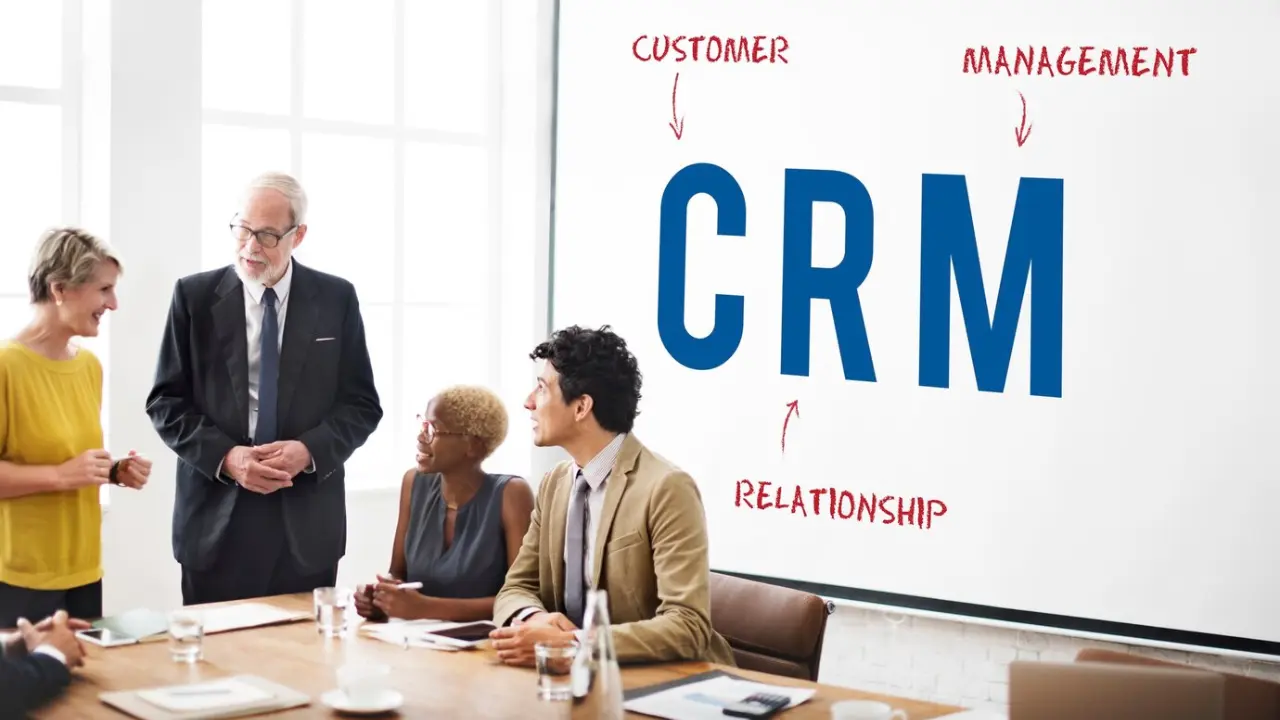
A Customer Relationship Management (CRM) system is a technology meant to help businesses manage customer interaction, follow leads, and facilitate communication. While generically packaged CRM solutions are widely available, custom CRMs are tailored to the needs and specific business models of an organization. This customization becomes vital, especially for Swiss SMEs, in dealing with their varying customer bases and intricate business processes.
Some of the characteristics of a Custom CRM:
- Localization: Swiss businesses often operate in multilingual markets. A custom CRM ensures that the system enables communication in German, French, Italian, and English, in accordance with Switzerland’s perceived cultural aspects.
- Scalability: The needs of SMEs change with growth. A custom CRM can expand to support more clients in boosting sales opportunities without compromising system performance.
Challenges Faced by Swiss SMEs in 2026
If anything, the mounting pressures on Swiss SMEs will increase towards 2026 and are amplified by various factors such as demand for personalized customer interaction, rising operational costs, and global competition. Let us attempt to flesh out some of the key challenges in detail.
Customer Retention:

In Switzerland, customer retention is critical. Studies indicate that it is cheaper to keep a customer than to attract a new one. However, in order to provide personalized service, interaction, preference, and purchase behavior must be tracked; this forms the basis of what a custom CRM does.
Data Overload:

Every single day, Swiss SMEs are inundated with enormous amounts of customer data. If these data are not adequately administered and analyzed by the necessary tools, they can become an unwieldy burden for a business entity that drastically hampers decision-making. A custom CRM sorts data into actionable insights, thereby enabling SMEs to make smarter decisions quicker.
Regulatory Compliance:

Why custom CRM solutions are important for Swiss SMEs?
Custom CRM systems are not just a sweet extra session for companies in the context of surviving in 2026; in fact, they are becoming more of a must. Here is why:
Tried and True in the Field: The operational needs of all SMEs in Switzerland are specific, and a custom CRM is just the thing to handle those very requirements. For example, modifications are possible to manage multilingual service requirements, which are endemic in Swiss companies.
Strong Relationships with Clients: A custom CRM system allows one view into the customer’s history, preferences, and interactions with the company. It fosters a highly personalized service experience, hence enhancing customer satisfaction and loyalty-the backbone of all successful long-term businesses.
How Custom CRM Solutions Drive Swiss SME Success
In 2026, transforming Swiss SMEs’ practices with custom CRM solutions will see a paradigm shift. This is how:
Better Conversions:
CRM systems that automate the sales process more efficiently and track the lead have a higher chance of converting lead-to-paying customers.
Excellent Client Service:
With a custom CRM, businesses get to have a holistic view of the customer. With all interaction recorded and easily available, now your team can respond to inquiries and better deal with complaint resolution.
Advanced Business Insights:
Key Features of Custom CRM Solutions for Swiss SMEs
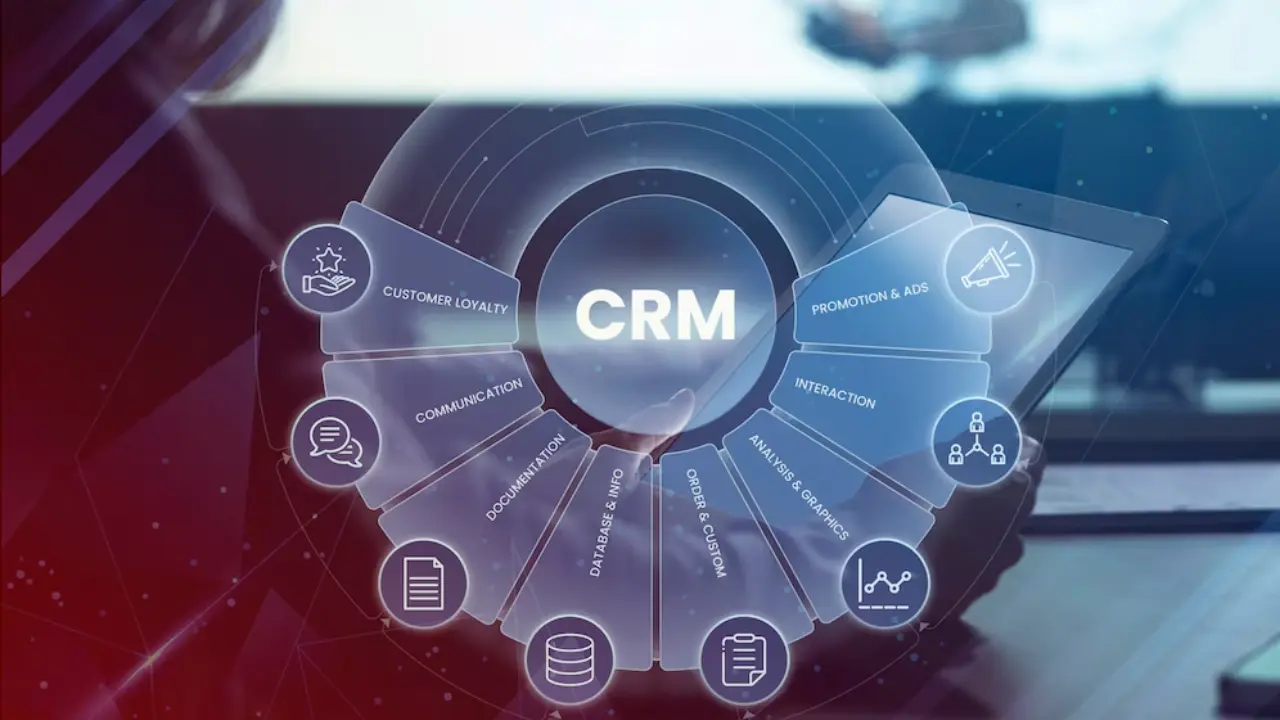
It is essential for the following features to be present in a custom CRM system for maximum efficiency in Swiss SME selection.
- Multi-language Support: Owing to the cultural and linguistic diversity in Switzerland, a custom CRM needs to be very much multilingual like German, French, Italian, etc., to facilitate customer interaction across the country with these languages.
- Integration with Local Systems: SMEs in Switzerland are in the habit of using local systems for accounting, payments, and ERP. Custom CRMs are built in such a way that they can be linked to these systems via appropriate interfaces, thus avoiding the need for data replication and regular manual updates.
- Cloud-Based Solutions: These are flexible, secure, and scalable, which are all essential attributes that a small enterprise would require to grow without physical premises on which it has to rely.
How to Choose the Right CRM Solution for Your Swiss Business
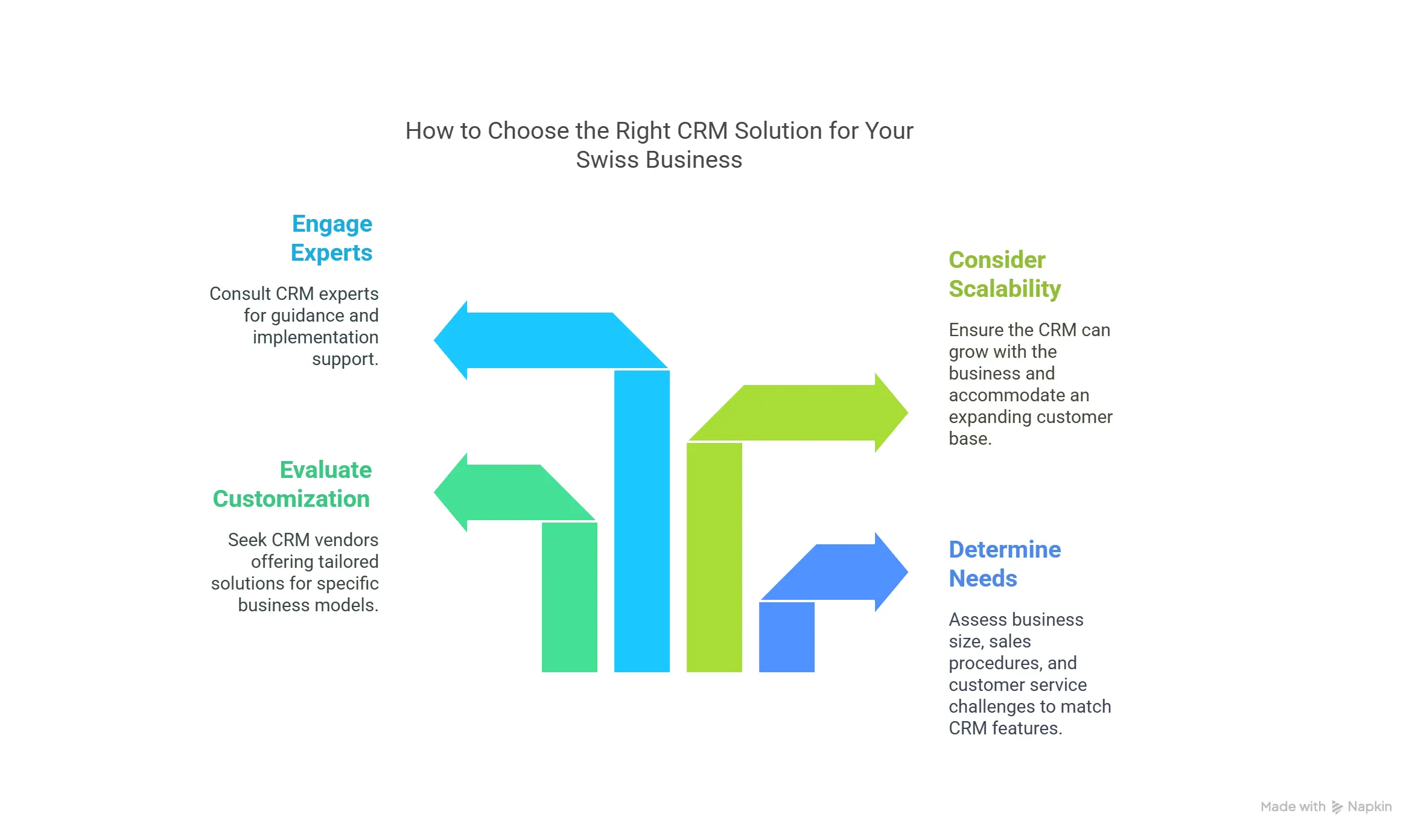
Choosing the right custom CRM for your Swiss SME entails few critical steps:
Determining Your Needs
Consider the size of your business, the sales procedures, and the customer services challenge you face. This will help you pick a CRM with features that match your requirements.
Evaluate Customization Options
Seek a CRM vendor that can provide tailored solutions devoted to your business model. For instance, if a retail business in Zurich requires different CRM capabilities from service-based Geneva businesses.
Scalability
Your CRM must scale with you as your business grows. Ensure that the CRM you choose can scale to accommodate an expanding customer base and growing complexities in operations.
Engage the Experts
The Future of CRM Solutions for Swiss SMEs in 2026 and Beyond
The most crucial thing to be expected in the near future will be the introduction of the CRM systems in 2026, and probably these will be some of the innovations that will be very popular at that time:
- Automation: As automation begins to gain more ground, the CRMs will enable small and medium enterprises to automate their business processes, eliminating bottlenecks of precious time and resources.
Conclusion
FAQs
1- What is a CRM system, and why does my Swiss business need one?
The CRM system thus facilitates developing customer relationships besides streamlining communications. In fact, it is indispensable to a business intending to improve customer service or operation efficiency.
2- What makes a CRM solution ‘custom’?
Custom-tailored CRM is always good for compliance. This tends to happen as many organizations have fully customized workflows and business rules and need a customized CRM to suit these.
3- How can CRM help Swiss SMEs grow?
Custom CRM solutions allow SMEs to automate their functions, improve customer-related activities, and engage in data-driven decision-making, thereby increasing sales and ultimately fostering growth.
4- Is a custom CRM solution better than an off-the-shelf CRM?
Yes, a custom CRM is tailored to your business’s unique needs, offering more flexibility, better integration, and personalized features.
5- What are the key benefits of using a custom CRM in Switzerland?
Swiss small and medium-sized enterprises will benefit from customized CRM solutions that foster better customer retention, improve data management, and provide scalability.
6- How does CRM automation benefit Swiss SMEs?
Automated processes in CRM applications assist in automating mundane tasks like email marketing, monitoring leads, and following up with customers. This gives employees more time for strategic activities, which enhance the organization in terms of productivity and efficiency.
7- What role does data security play in CRM solutions for Swiss SMEs?
Swiss enterprises have to meet very strict data protection regulations like GDPR. Custom-made CRM systems ensure that your customer data is secured and compliant with local and international regulations.
8- Can a custom CRM integrate with my existing software and tools?
A custom platform stands to easily integrate its CRM with your present environments like accounting, ERP, or payment gateways to guarantee smooth data flow across platforms.
9- What is the ROI of investing in a custom CRM for Swiss SMEs?
Custom CRM development investment brings big returns by improving customer satisfaction and reducing operational costs, increases sales development, and improves business insights.